15 Foods That Help Improve Iron Absorption Naturally
November 28, 2026 | by Sravani Pathakamuri | Posted in Nutrition Facts
Iron is an essential mineral that plays an important role in producing haemoglobin, transporting oxygen throughout the body and supporting energy levels. However, eating iron-rich foods does not always mean your body absorbs all the iron you consume.
Certain foods can improve iron absorption, while others may reduce the amount of iron your body absorbs from meals. Combining iron-rich foods with vitamin C-rich foods is one of the simplest ways to improve iron absorption naturally.
In this article, we explore 15 foods that help improve iron absorption, how to combine them with iron-rich meals and dietary habits that support healthy iron levels.
Why Is Iron Absorption Important?
Iron is required to produce haemoglobin, a protein in red blood cells that carries oxygen to different parts of the body.
Poor iron absorption can contribute to iron deficiency, which may eventually lead to iron-deficiency anaemia.
Common symptoms of iron deficiency include:
- Persistent tiredness and weakness
- Pale skin
- Dizziness and headaches
- Shortness of breath
- Hair loss
- Poor concentration
- Brittle nails
The good news is that certain natural foods and dietary combinations can improve iron absorption and help maintain healthy iron levels.
1. Vitamin C-Rich Foods:
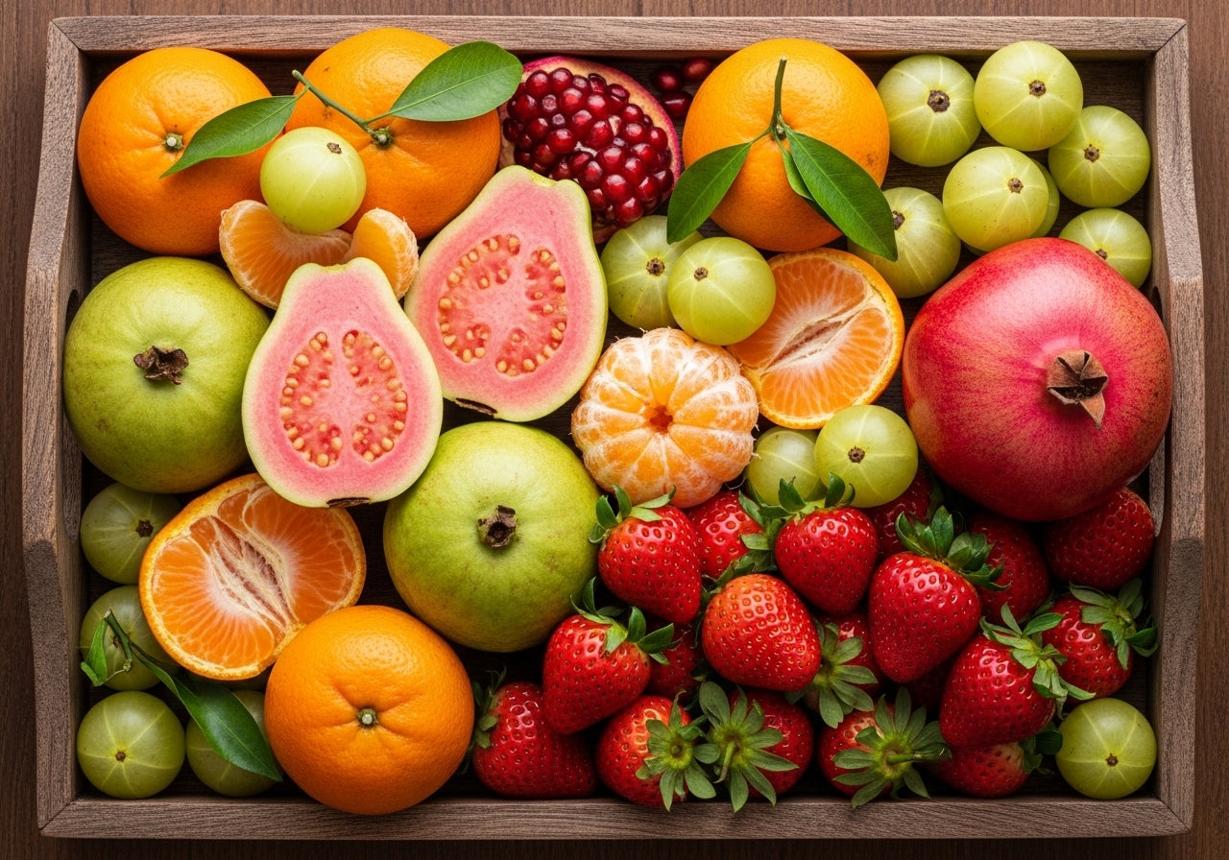
Vitamin C is one of the most effective nutrients for improving iron absorption, particularly non-heme iron found in plant-based foods. It helps convert iron into a form that is easier for the body to absorb.Some excellent vitamin C-rich foods include:
- Amla: Indian gooseberry is exceptionally rich in vitamin C and can be included in the daily diet.
- Guava: A nutritious fruit that provides a significant amount of vitamin C.
- Oranges: Citrus fruits help improve the absorption of plant-based iron.
- Lemon: Adding fresh lemon juice to dal, vegetables, and salads can enhance iron absorption.
- Papaya: Provides vitamin C along with other beneficial nutrients.
- Bell peppers: Particularly rich in vitamin C and easy to include in salads and cooked dishes.
Including these foods alongside iron-rich meals is a simple way to improve iron absorption naturally.
2. Green Leafy Vegetables
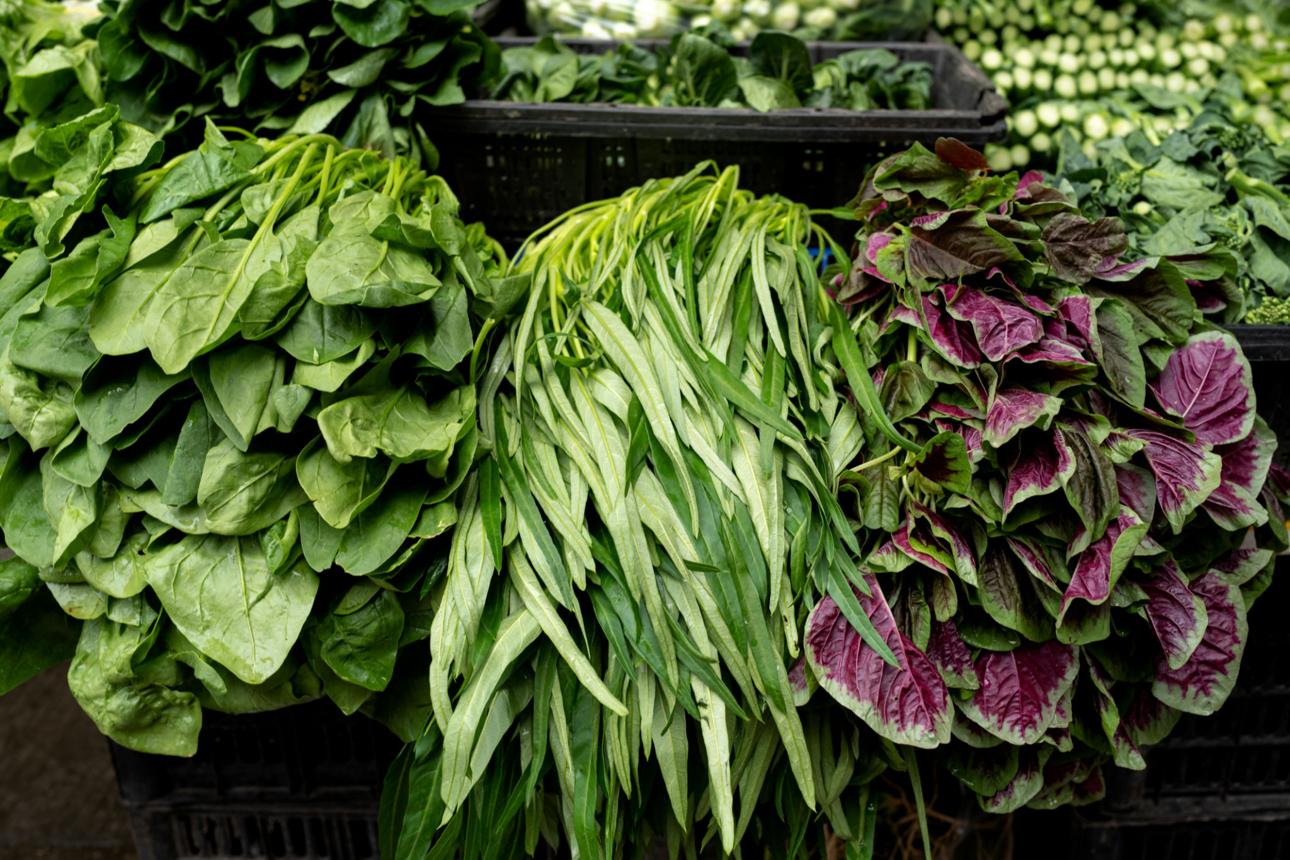
Green leafy vegetables are valuable sources of non-heme iron and other essential nutrients. They can be an important part of a balanced diet, particularly for vegetarians.
Some good options include:
- Spinach (Palak)
- Amaranth leaves (Thotakura)
- Drumstick leaves (Moringa leaves)
- Fenugreek leaves (Methi)
- Coriander leaves
These vegetables also provide folate, fibre, antioxidants, and other micronutrients.Tip: Combine leafy vegetables with lemon juice or tomatoes to improve the absorption of plant-based iron.
3. Legumes and Pulses
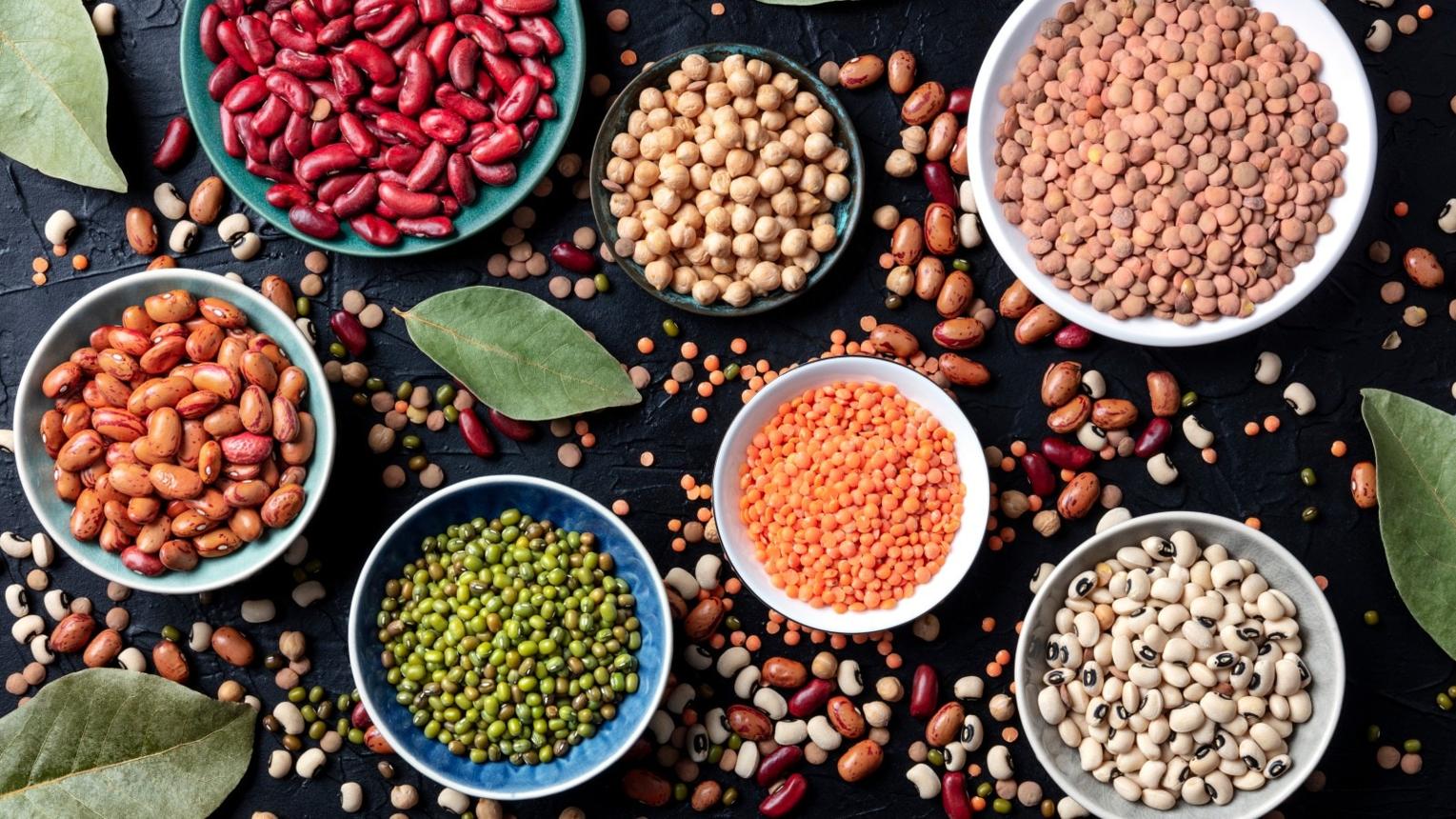
Legumes and pulses are excellent sources of plant-based iron, protein, and dietary fibre. They are especially beneficial for people following vegetarian and vegan diets.
Include the following foods in your meals:
- Chickpeas (Chana)
- Lentils (Masoor dal)
- Kidney beans (Rajma)
- Black gram (Urad dal)
- Green gram (Moong dal)
- Soybeans
Soaking, sprouting, and fermenting legumes can help reduce phytates, natural compounds that may interfere with iron absorption.
4. Seeds and Nuts
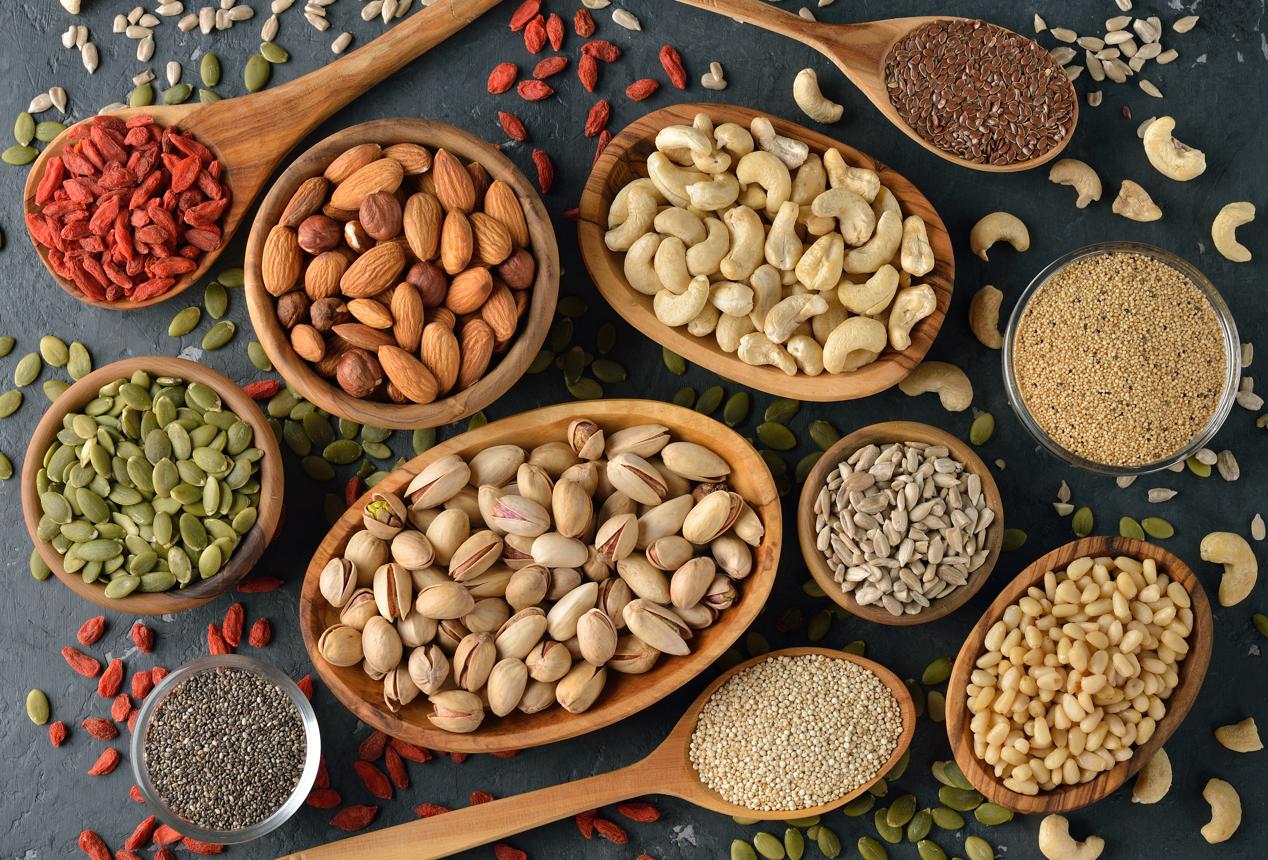
Seeds and nuts provide iron along with healthy fats, protein, magnesium, and other important nutrients.
Some iron-containing options include:
- Pumpkin seeds
- Sesame seeds
- Flaxseeds
- Sunflower seeds
- Cashew nuts
- Almonds
Sesame seeds and pumpkin seeds are particularly useful additions to a balanced diet.
You can add them to breakfast cereals, smoothies, salads, chutneys, and homemade snacks.
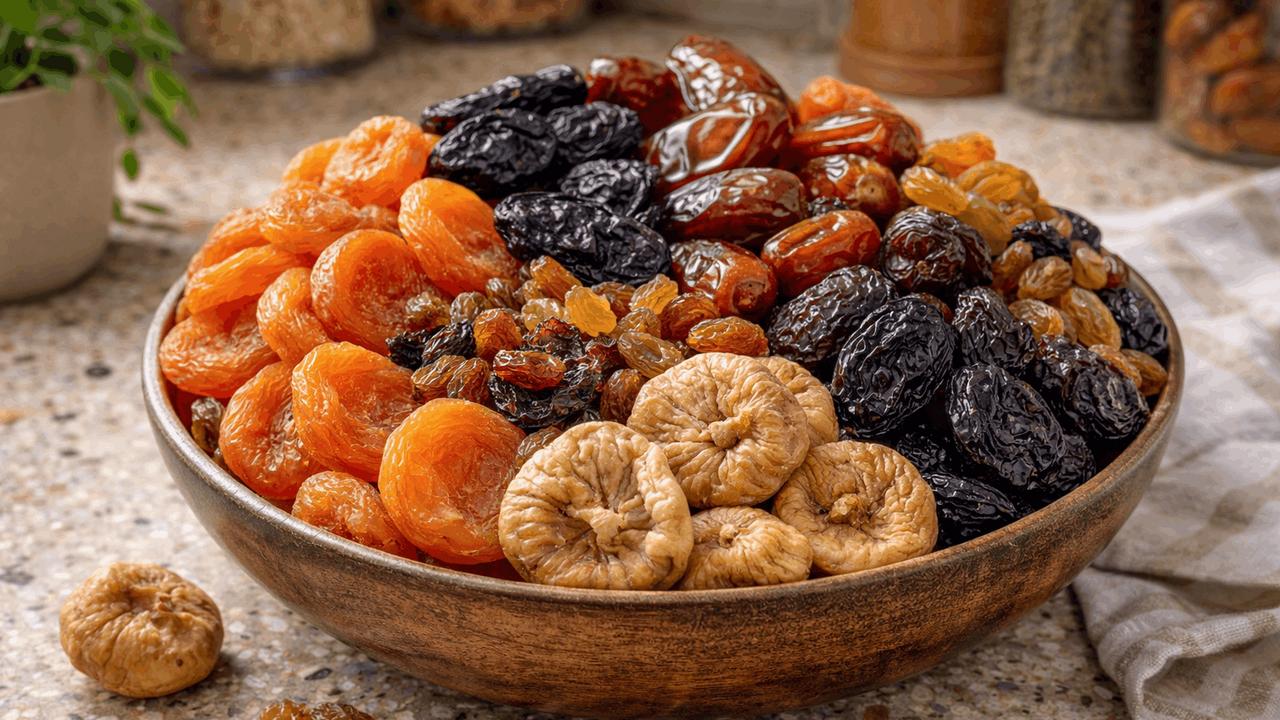
5. Dry Fruits
Certain dry fruits contain iron and can contribute to daily iron intake.
Some beneficial options include:
- Dates
- Raisins
- Dried apricots
- Dried figs
- Prunes
They also provide fibre, potassium, and natural sugars.Although dry fruits contain iron, they should not be considered a replacement for a balanced diet.
Combine them with vitamin C-rich fruits to support better iron absorption.
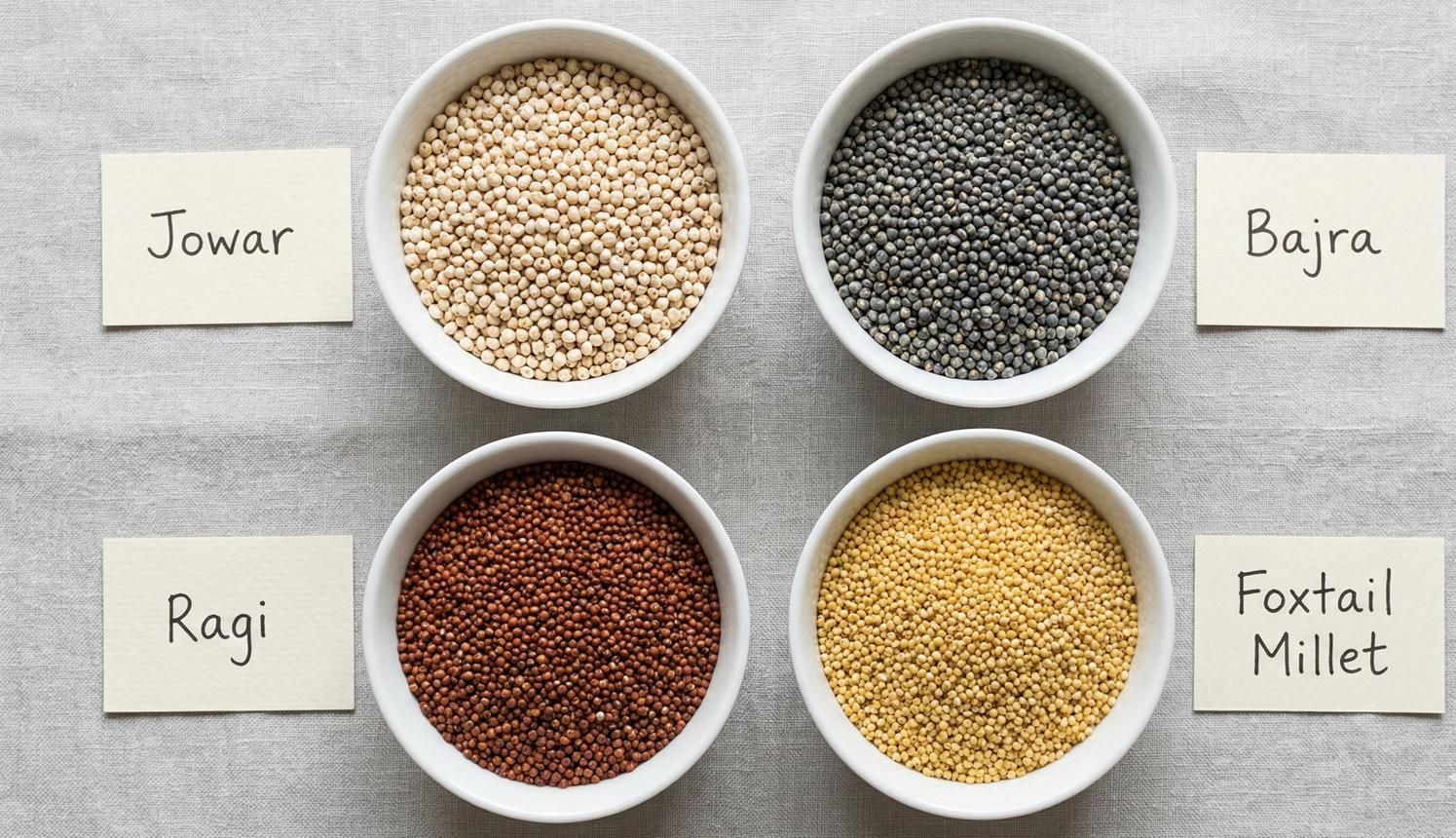
6. Millets and Whole Grains
Millets and whole grains are traditional foods that provide iron, fibre, and several essential nutrients.
Some good choices include:
- Ragi (Finger millet)
- Bajra (Pearl millet)
- Jowar (Sorghum)
- Foxtail millet
- Whole wheat
- Oats
Ragi and bajra can be incorporated into everyday meals through porridge, dosa, roti, and other preparations.
Soaking and fermentation can help reduce phytate content in certain grains, potentially improving mineral availability.
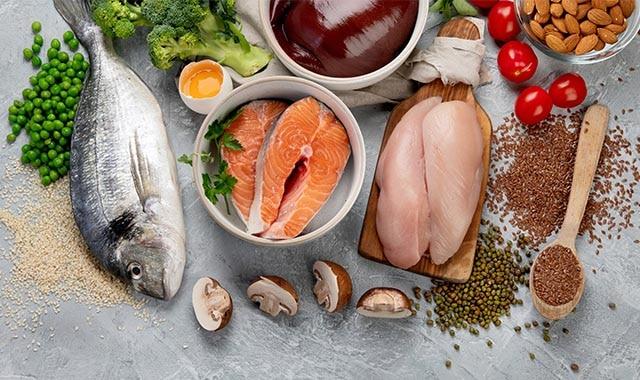
7. Animal-Based Foods Rich in Iron
For people who consume non-vegetarian foods, certain animal-based foods provide heme iron, which is generally absorbed more efficiently than non-heme iron from plant foods.
Good sources include:
- Chicken
- Fish
- Meat
- Shellfish
- Eggs (particularly the yolk)
Including suitable animal-based foods in a balanced diet can help increase iron intake.
8. Foods and Drinks That Can Reduce Iron Absorption
While certain foods improve iron absorption, some dietary components can reduce it.
- Tea and coffee: These contain polyphenols that can interfere with iron absorption, especially when consumed with meals.
- Calcium-rich foods: Calcium may reduce iron absorption when consumed together in significant amounts.
- Phytate-rich foods: Bran, whole grains, nuts, and legumes contain phytates that can reduce the absorption of iron and certain other minerals.
To minimise these effects:
- Avoid drinking tea or coffee immediately after iron-rich meals.
- Keep tea and coffee approximately 1–2 hours away from meals.
- Use soaking, sprouting, and fermentation to reduce phytates.
- Include vitamin C-rich foods with plant-based iron sources.
9. Best Food Combinations to Improve Iron Absorption
One of the easiest ways to improve iron absorption is to combine iron-rich foods with vitamin C-rich foods.
These combinations can help the body absorb more non-heme iron from plant-based foods.
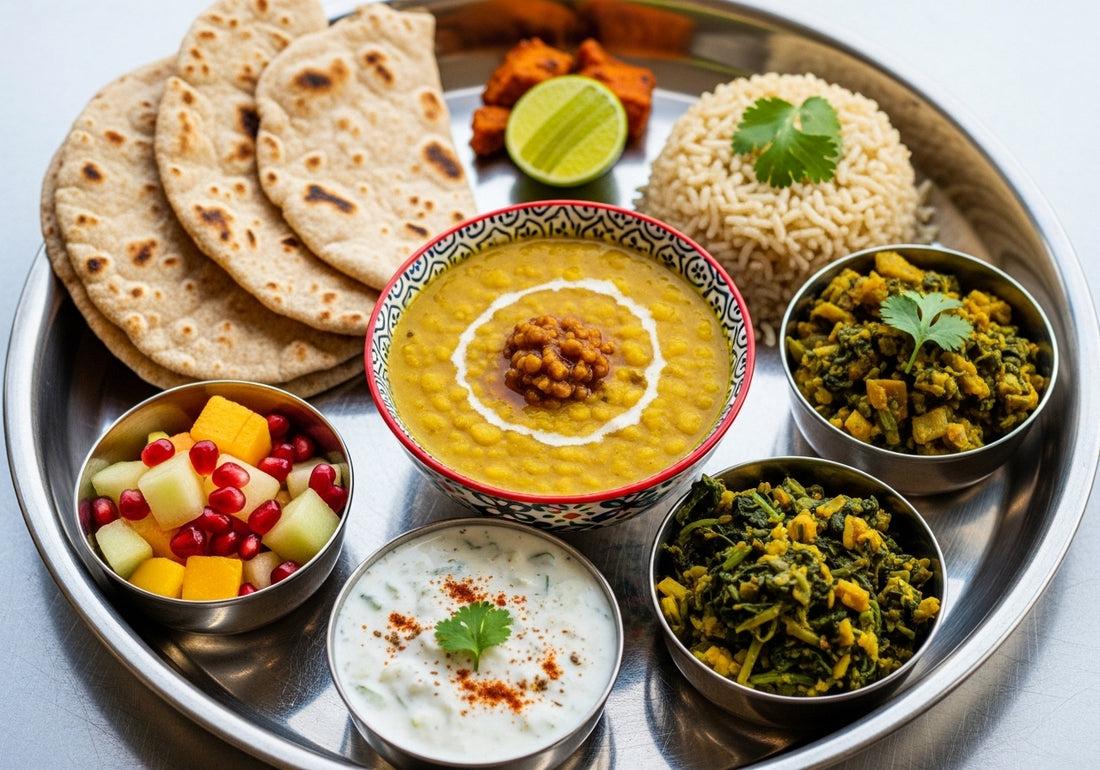
10. Simple Daily Diet Tips for Better Iron Absorption
Here are some practical ways to include iron-supporting foods in your daily routine:
- Start your day with a vitamin C-rich fruit such as guava or amla.
- Include green leafy vegetables in lunch or dinner.
- Add pulses, legumes, and millets to your regular meals.
- Include pumpkin seeds or sesame seeds in snacks.
- Add lemon juice to salads and suitable cooked dishes.
- Eat a variety of fruits and vegetables.
- Avoid tea and coffee immediately before or after meals.
Conclusion
Improving iron absorption naturally is not just about eating iron-rich foods. It is equally important to consume nutrients that help the body absorb iron efficiently.
Vitamin C-rich foods such as amla, guava, oranges, lemon, and papaya can significantly improve the absorption of plant-based iron. Including green leafy vegetables, legumes, seeds, nuts, millets, and suitable animal-based foods can also help maintain adequate iron intake.
Small dietary changes, such as adding lemon juice to dal, eating guava with breakfast, and avoiding tea immediately after meals, can make a meaningful difference.
Remember: A balanced diet can support healthy iron levels, but people with iron-deficiency anaemia may need medical evaluation and iron supplementation. A complete blood count (CBC) and serum ferritin test can help assess iron status.