15 Iron Rich Foods to Include in Your Daily Indian Diet
November 15, 2026 | by Sravani Pathakamuri | Posted in Nutrition Facts
Iron is one of the most important minerals required by the human body. It plays a crucial role in producing hemoglobin, a protein in red blood cells that carries oxygen from the lungs to different parts of the body. Adequate iron intake also supports energy metabolism, brain development and normal immune function.
Iron deficiency is a common nutritional concern, particularly among women, children and individuals following diets that do not provide sufficient absorbable iron.
The good news is that you do not need expensive supplements or specialised foods to increase your dietary iron intake. Many everyday Indian foods, including lentils, leafy vegetables, millets, nuts, seeds and certain animal-based foods, are natural sources of iron.
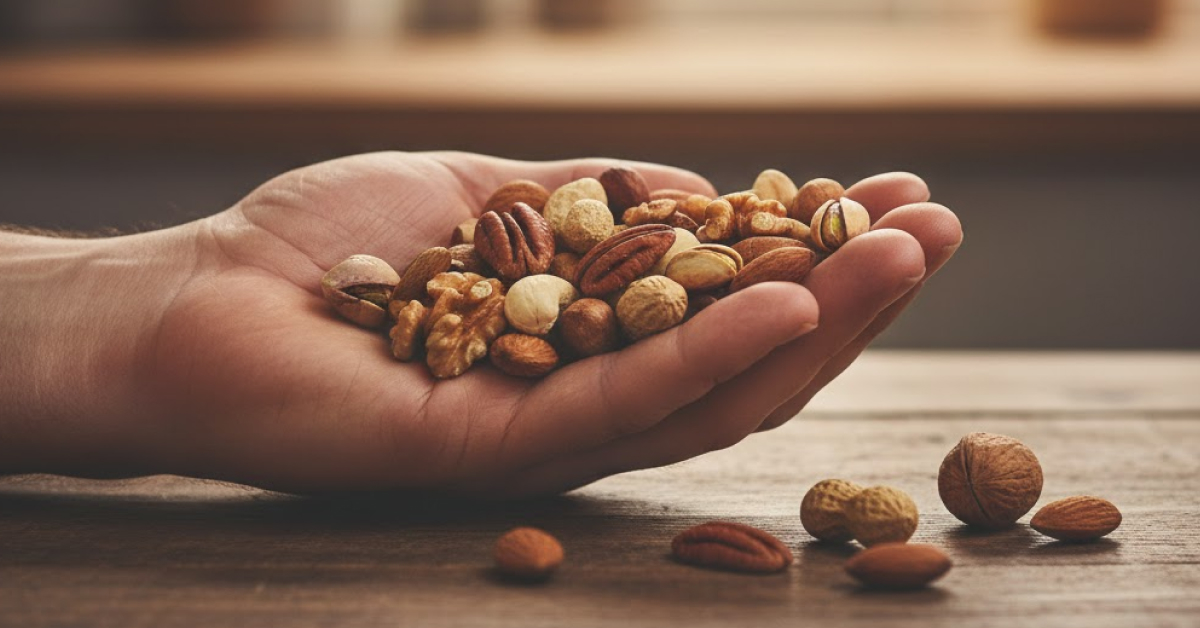
In this article, we explore 15 iron rich foods to include in your daily Indian diet, along with their nutritional benefits and practical ways to add them to your meals.
Why Is Iron Important for Your Body?
Iron performs several essential functions that help maintain overall health.
- Supports haemoglobin production: Iron is necessary for producing haemoglobin, which transports oxygen throughout the body.
- Helps maintain energy levels: Adequate iron supports normal oxygen delivery to muscles and tissues.
- Supports brain function: Iron contributes to normal cognitive development and brain function.
- Promotes healthy immunity: Iron is involved in several processes that support the immune system.
- Supports pregnancy: Iron requirements increase during pregnancy to support maternal health and the developing baby.
Insufficient iron intake over time can lead to iron deficiency and, in some cases, iron-deficiency anaemia.
15 Iron Rich Foods to Include in Your Daily Indian Diet
Here are 15 nutritious foods that can help increase your daily iron intake. These options include both vegetarian and non-vegetarian foods commonly available in India.
1. Spinach (Palak)
Spinach is one of the most familiar leafy vegetables in Indian households. It contains iron along with folate, vitamin A, vitamin K and other essential nutrients.
Although the iron in spinach is non-heme iron, which is less readily absorbed than iron from animal foods, it can still contribute to your overall dietary iron intake.
How to include it in your diet:
- Prepare palak dal.
- Add spinach to vegetable curries.
- Make palak paratha.
- Include spinach in soups and salads.
Tip: Combine spinach with lemon juice or tomatoes to improve the absorption of plant-based iron.
2. Lentils (Dal)
Lentils are among the most practical and affordable sources of plant-based iron in an Indian diet. Masoor dal, whole lentils, moong dal and other pulses provide iron, protein, fibre and folate.
They are particularly useful for people following vegetarian diets.
How to include them in your diet:
- Eat masoor dal with rice or roti.
- Prepare moong dal khichdi.
- Add lentils to vegetable soups.
- Include mixed lentil preparations in your lunch.
3. Chickpeas (Chana)
Chickpeas are nutritious legumes containing iron, protein, fibre and several important minerals.
Both kala chana (black chickpeas) and kabuli chana (white chickpeas) can contribute to your daily iron intake.
How to include them in your diet:
- Prepare kala chana curry.
- Add boiled chickpeas to salads.
- Make chana sundal.
- Prepare chole with whole wheat roti.
Soaking chickpeas before cooking helps reduce cooking time and can improve digestibility.
4. Kidney Beans (Rajma)
Rajma is a popular Indian legume that provides plant-based iron, protein, complex carbohydrates and dietary fibre.
It is also a filling food that can be included in balanced meals.
How to include it in your diet:
- Prepare traditional rajma curry.
- Combine rajma with brown rice.
- Add cooked kidney beans to salads.
- Use rajma in homemade vegetable bowls.
Always soak and cook kidney beans thoroughly before consumption.
5. Pearl Millet (Bajra)
Bajra is a traditional Indian millet and a valuable addition to a nutritious diet. It contains iron, magnesium, phosphorus and dietary fibre.
It is particularly popular in Rajasthan, Gujarat and other parts of India.
How to include it in your diet:
- Prepare bajra roti.
- Make bajra khichdi.
- Add bajra flour to multigrain chapati flour.
- Prepare millet porridge.
Bajra is an excellent alternative to relying entirely on refined cereal products.
6. Finger Millet (Ragi)
Ragi, also known as finger millet, is a nutrient-dense cereal commonly consumed in southern India.
It contains iron, calcium, fibre and other minerals. Ragi can be incorporated into different meals, making it useful for diversifying a vegetarian diet.
How to include it in your diet:
- Prepare ragi dosa.
- Make ragi porridge.
- Prepare ragi roti.
- Add ragi flour to idli and dosa batter.
7. Sesame Seeds (Til)
Sesame seeds are small but nutrient-dense seeds containing iron, calcium, healthy fats and protein.
Both black and white sesame seeds can contribute to dietary iron intake. However, they are generally consumed in smaller quantities.
How to include them in your diet:
- Sprinkle sesame seeds over salads.
- Add roasted til to vegetable preparations.
- Prepare sesame seed chutney.
- Make homemade til ladoos.
8. Pumpkin Seeds
Pumpkin seeds are nutritious edible seeds containing iron, magnesium, zinc, protein and healthy fats. They make a convenient addition to breakfast and snacks.
How to include them in your diet:
- Add roasted pumpkin seeds to salads.
- Mix them with oats.
- Include them in homemade trail mixes.
- Sprinkle them over smoothies and porridge.
A small handful can add valuable nutrients to your daily diet.
9. Garden Cress Seeds (Halim or Aliv Seeds)
Garden cress seeds, commonly known as halim or aliv seeds, are traditional Indian edible seeds that are particularly rich in iron.
They also provide protein, fibre and other minerals.
How to include them in your diet:
- Soak the seeds and add them to porridge.
- Prepare traditional halim ladoos.
- Add them to homemade nutritional mixes.
- Mix soaked seeds into smoothies.
Because they are nutrient-dense, small quantities can contribute to your overall iron intake.
10. Soybeans
Soybeans are an excellent plant-based source of protein and contain iron, folate and other essential nutrients. They are especially useful for vegetarians and people looking for alternatives to animal-based protein.
How to include them in your diet:
- Prepare soybean curry.
- Add cooked soybeans to salads.
- Include soya chunks in vegetable curries.
- Use soy flour in multigrain preparations.
11. Groundnuts (Peanuts)
Groundnuts are an affordable and widely available food in India. They contain iron, protein, healthy fats, magnesium and other nutrients.
Although peanuts are not among the highest iron sources, they can make a useful contribution when consumed regularly as part of a balanced diet.
How to include them in your diet:
- Eat roasted groundnuts as a snack.
- Prepare peanut chutney.
- Add crushed peanuts to vegetable dishes.
- Include peanuts in homemade snack mixtures.
12. Raisins (Kishmish)
Raisins are dried grapes that provide iron, potassium and natural carbohydrates.
They are easy to store and can be included in breakfast preparations or snacks. However, their iron content should not be considered a replacement for more substantial iron sources such as pulses, seeds and meat.
How to include them in your diet:
- Add raisins to oatmeal.
- Mix them with nuts and seeds.
- Include them in homemade energy balls.
- Add them to porridge.
13. Jaggery (Gur)
Jaggery is a traditional Indian sweetener made from sugarcane juice or other sources such as palm sap.
It may contain some iron and other minerals, depending on its production and processing. However, its iron content varies considerably.
Although jaggery is traditionally considered an iron-rich food, it should not be relied upon as a primary source of iron.
How to include it in your diet:
- Use a small quantity in homemade sweets.
- Add it to traditional millet preparations.
- Use it occasionally instead of refined sugar.
Remember that jaggery is still an added sugar and should be consumed in moderation.
14. Eggs
Eggs provide high-quality protein, vitamin B12, selenium and several other nutrients. Egg yolks also contain iron.
Although the iron in eggs is not as readily absorbed as heme iron from meat, eggs can contribute to a balanced diet.
How to include them in your diet:
- Eat boiled eggs for breakfast.
- Prepare vegetable omelettes.
- Add boiled eggs to salads.
- Include egg curry in your lunch or dinner.
15. Meat and Fish
Meat and fish are valuable sources of dietary iron. Animal foods contain heme iron, which is generally more readily absorbed by the body than non-heme iron found in plant foods.
Some particularly useful choices include:
- Lean red meat
- Chicken
- Sardines
- Mackerel
- Tuna
- Other locally available fish
Liver is also particularly rich in iron, but it should be consumed cautiously, especially during pregnancy, because it can contain very high amounts of preformed vitamin A.
How to include them in your diet:
- Prepare fish curry.
- Include grilled or cooked chicken.
- Add sardines or other fish to meals.
- Choose lean meat in moderate portions.
How to Improve Iron Absorption Naturally
Eating iron-rich foods is important, but the amount of iron your body absorbs also matters.
There are two main forms of dietary iron:
1. Heme iron: Found in meat, poultry and seafood. It is generally absorbed more efficiently by the body.
2. Non-heme iron: Found in plant-based foods such as spinach, lentils, beans, nuts, seeds and fortified cereals. Its absorption is influenced by other foods and dietary components.
Here are some practical ways to improve iron absorption.
Eat Vitamin C-Rich Foods Along with Iron Sources
Vitamin C helps your body absorb non-heme iron from plant foods.
Include foods such as:
- Amla
- Guava
- Lemon
- Orange
- Tomatoes
- Capsicum
For example, adding lemon juice to chana or eating guava after a meal containing lentils can help improve iron absorption.
Avoid Drinking Tea or Coffee Immediately After Meals
Tea and coffee contain polyphenols that can reduce the absorption of non-heme iron when consumed with meals.
If you regularly consume iron-rich foods, try to avoid drinking tea or coffee immediately before, during or after meals.
Include Different Sources of Iron
Do not depend on just one food item to meet your iron requirements.
Combine pulses, whole grains, millets, leafy vegetables, nuts and seeds. If you consume animal foods, include suitable portions of meat or fish.
Prepare Pulses Properly
Soaking, sprouting and fermenting certain grains and legumes can reduce some compounds, such as phytates, that interfere with mineral absorption.
These traditional preparation methods can help improve the nutritional quality of your meals.
Sample Daily Indian Diet Rich in Iron
You can incorporate iron-rich foods into your everyday meals without making major changes to your regular eating habits.
| Meal | Suggested foods |
|---|---|
| Early morning | A small portion of soaked raisins and nuts |
| Breakfast | Ragi dosa with peanut chutney |
| Mid-morning | Guava or orange |
| Lunch | Bajra roti, palak dal and vegetable curry |
| Evening snack | Roasted groundnuts and pumpkin seeds |
| Dinner | Rajma curry with rice or chapati |
| Alternative dinner | Fish curry or chicken with vegetables |
This is an illustrative meal plan. Actual nutritional requirements and portion sizes vary depending on age, sex, activity level and health status.
How Much Iron Do You Need Every Day?
Iron requirements vary depending on age, sex and life stage.
The Indian Council of Medical Research – National Institute of Nutrition (ICMR-NIN) provides dietary recommendations for Indians based on their nutritional requirements.
Some people, particularly menstruating women and pregnant women, have higher iron requirements.
Your iron needs may also increase or require closer monitoring if you have blood loss, certain medical conditions or diagnosed iron deficiency.
Signs of Iron Deficiency You Should Not Ignore
Iron deficiency may develop gradually, and symptoms can sometimes be mistaken for general tiredness.
Common symptoms include:
- Persistent fatigue and weakness
- Pale skin
- Shortness of breath
- Dizziness or light-headedness
- Headaches
- Difficulty concentrating
- Unusual cravings for non-food substances, such as ice
These symptoms do not necessarily mean you have iron deficiency. A healthcare professional may recommend blood tests such as a complete blood count (CBC), haemoglobin and serum ferritin to evaluate your iron status.
If iron deficiency is confirmed, dietary changes alone may not be sufficient. Medical treatment and iron supplements may be necessary under professional guidance.
Frequently Asked Questions (FAQs)
1. Which Indian food is highest in iron?
Among commonly consumed Indian plant foods, garden cress seeds (halim), sesame seeds, certain pulses and millets are notable sources of iron. Animal foods such as liver also contain substantial amounts of iron.
2. Which fruits are rich in iron?
Raisins and dried fruits contain some iron. However, fruits such as amla, guava and oranges are particularly useful because their vitamin C content helps improve the absorption of iron from plant foods.
3. Is spinach a good source of iron?
Yes. Spinach contains iron, folate and other nutrients. However, its iron is non-heme iron, which is less readily absorbed than the heme iron found in animal foods. Combining spinach with vitamin C-rich foods can improve iron absorption.
4. Can vegetarians get enough iron from their diet?
Yes. Vegetarians can obtain iron from lentils, chickpeas, kidney beans, soybeans, millets, leafy vegetables, nuts and seeds. Eating vitamin C-rich foods alongside these sources can help improve iron absorption.
5. Does jaggery increase haemoglobin?
Jaggery may contain some iron, but its iron content varies. It should not be considered a reliable treatment for low haemoglobin or iron-deficiency anaemia.
6. Does drinking tea reduce iron absorption?
Yes. Tea contains polyphenols that can reduce the absorption of non-heme iron when consumed with meals. It is better to drink tea between meals rather than alongside iron-rich foods.
7. What is the best time to eat iron-rich foods?
There is no single best time. Iron-rich foods can be included in breakfast, lunch, snacks or dinner. What matters most is consuming a balanced diet regularly and combining plant-based iron sources with vitamin C-rich foods.
Conclusion
Including iron-rich foods in your daily Indian diet is an important step towards maintaining healthy haemoglobin levels and supporting overall well-being.
Everyday foods such as spinach, lentils, chickpeas, rajma, bajra, ragi, sesame seeds, pumpkin seeds and groundnuts can help increase your dietary iron intake. Eggs, meat and fish provide additional options for people who consume animal foods.
Remember that eating iron-rich foods is only part of the picture. Combining plant-based iron sources with vitamin C-rich foods and avoiding tea or coffee around mealtimes can help your body absorb iron more effectively.
The bottom line: A balanced diet containing a variety of iron-rich foods, combined with healthy eating habits, can help support your body’s iron require